
Meet the speakers
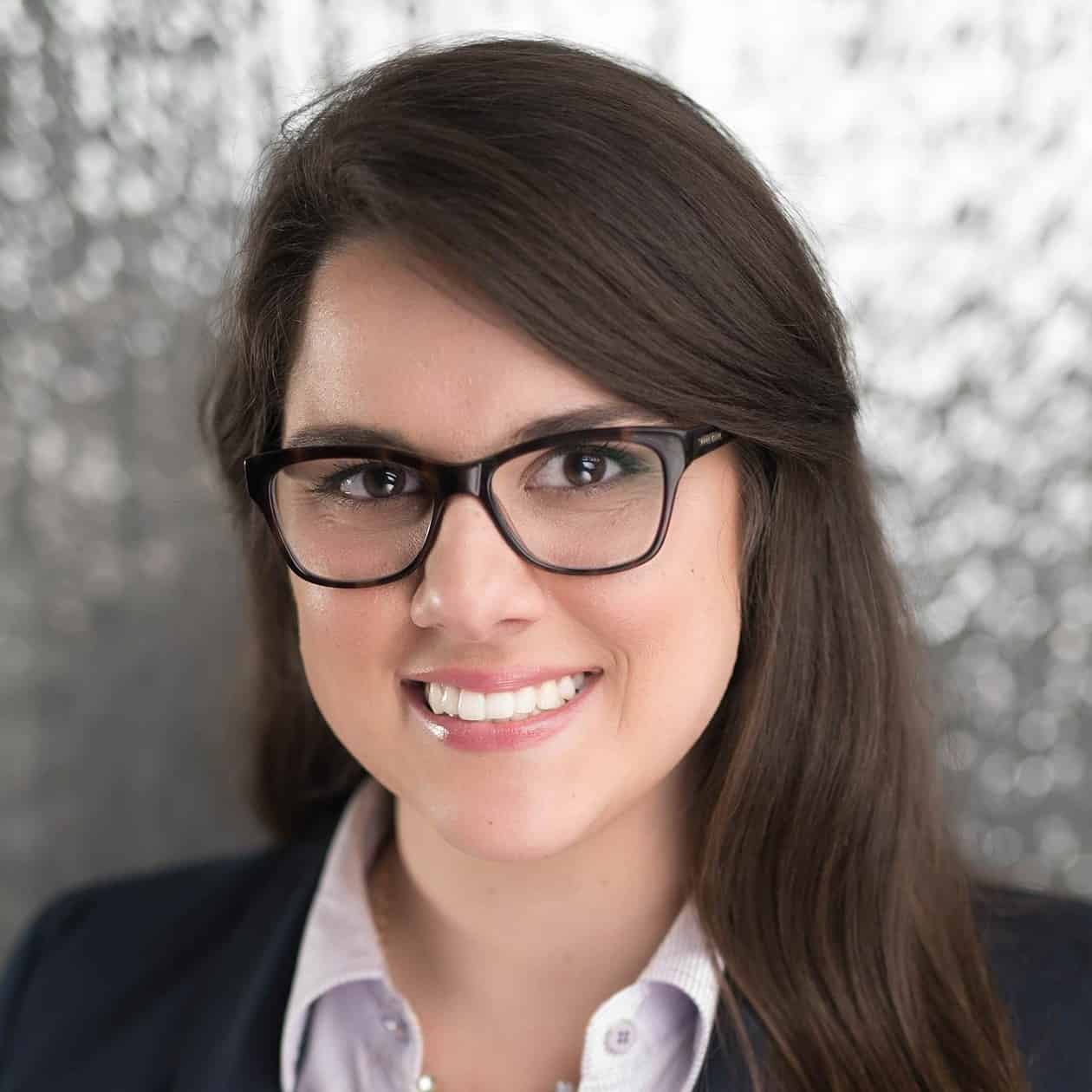
Executive Vice President, Legal Affairs
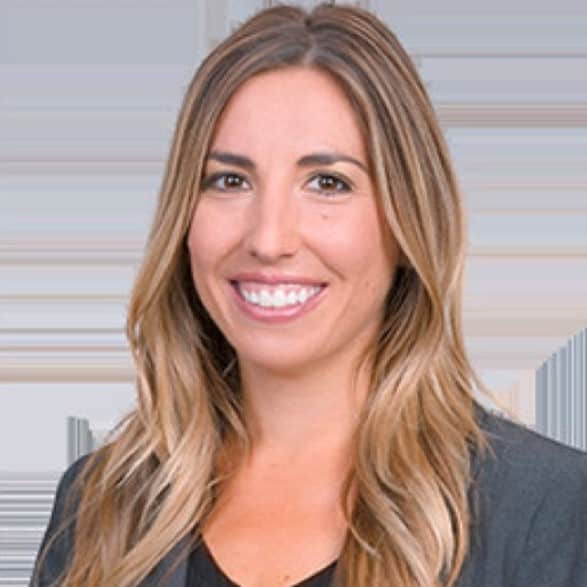
Policy & Compliance Counsel, Local Government Affairs

Compliance and Legislative Counsel

Education, Policy and Compliance Counsel
Rules for handling security deposit refunds, new appliance requirements, and additional responsibilities following a declared disaster will shape rental housing operations in 2026. CAA’s legal team broke down the changes during this week’s year-end compliance webinar.
The webinar featured CAA’s legal affairs team — Whitney Prout, Monica Deka, Heidi Palutke and Mallory Homewood — who outlined the laws most likely to affect day-to-day operations in 2026 and described the compliance tools available to support members. A live rebroadcast of the webinar is scheduled for 10 a.m. Dec. 30.
One of the most consequential updates involves changes to security deposit procedures. Prout noted that adjustments under AB 414 will touch nearly every housing provider.
“AB 414 is probably the biggest new law just from a day-to-day compliance perspective this year because it deals with security deposit returns, which affect practically all landlords,” she said. The law introduces new rules around electronic refunds, notice requirements, and default procedures for multi-tenant households, along with expanded options for landlords and residents to agree on alternative methods.
Another change involves the addition of stoves and refrigerators to the state’s habitability standards. Under AB 628, landlords will generally be required to provide and maintain both appliances once a lease is entered into, amended, or extended on or after Jan. 1, 2026. Prout noted that the impact will vary depending on existing practices.
“This law is a little bit unique in the sense that it won’t be a big deal for many owners, but it will be a big deal for some,” she said, adding that owners who already supply and maintain these appliances may see little change, while others will need to plan for new installations.
Palutke added context on the new standard, noting, “The law doesn’t specify what type of refrigerator and stove must be provided, but states that both must be in good working order.”
The webinar also devoted significant attention to SB 610, a wide-ranging law that sets out landlord obligations following a declared disaster. The statute outlines expectations for debris removal, hazard mitigation, tenant return rights and rent obligations during mandatory evacuations — all of which apply only when a state or federal disaster has been declared. Speakers emphasized that the law’s detailed requirements and several unresolved ambiguities make documentation especially important under the new framework.
In addition to these major updates, panelists briefly discussed a new law requiring landlords to allow tenants to opt out of bulk internet service arrangements offered in connection with the tenancy. Other topics included changes to unlawful detainer procedures, including provisions taking effect in 2027, and updates to state rent control disclosures. CAA has published updated forms and Industry Insight papers for 2026 reflecting these changes.
Members who want a full breakdown of the laws discussed — including timelines, exceptions, form updates and compliance strategies — can register for the live rebroadcast scheduled for Dec. 30 or view CAA’s on-demand version of the webinar.