Mike Nemeth
CAA Marketing and Communications Director
On the eve of the California Apartment Association’s June board meeting, members of the Legislature’s Moderate Democratic Caucus joined CAA VIPs for dinner.
About 20 of the “Mods” attended the event Wednesday, June 17, at Mulvaney’s in Sacramento. Assemblyman Henry Perea, D-Fresno, recognized the members of the caucus in attendance, and each spoke for a couple minutes.
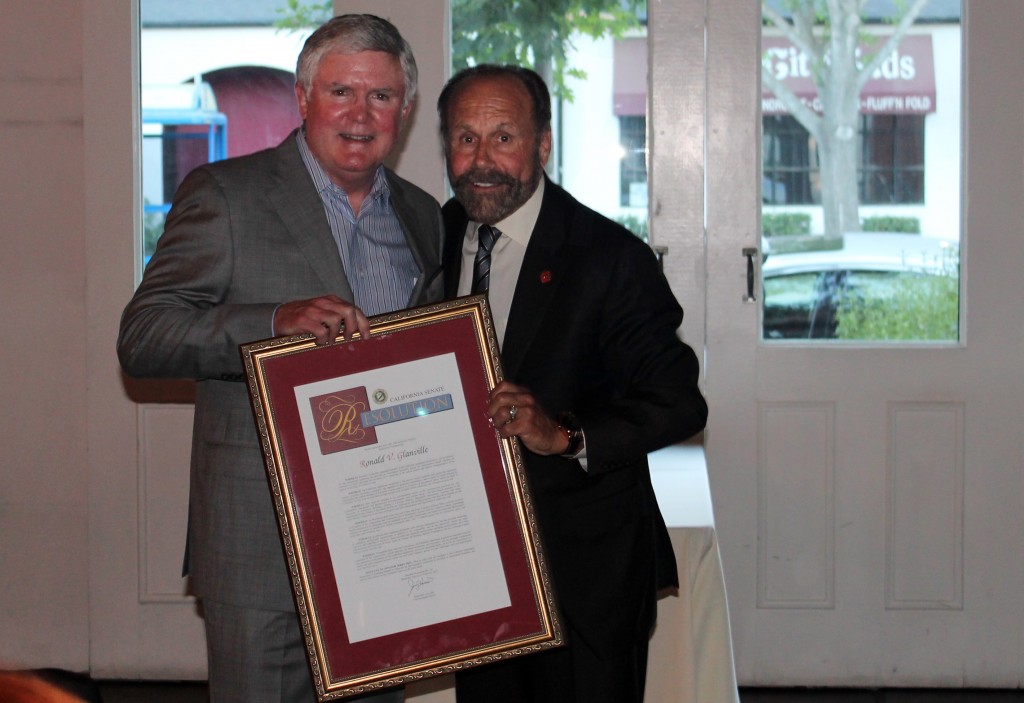
A highlight of the dinner included Sen. Jerry Hill presenting a Senate resolution to Ron Granville. The resolution recognizes Granville’s leadership as president of the Association in 2014.
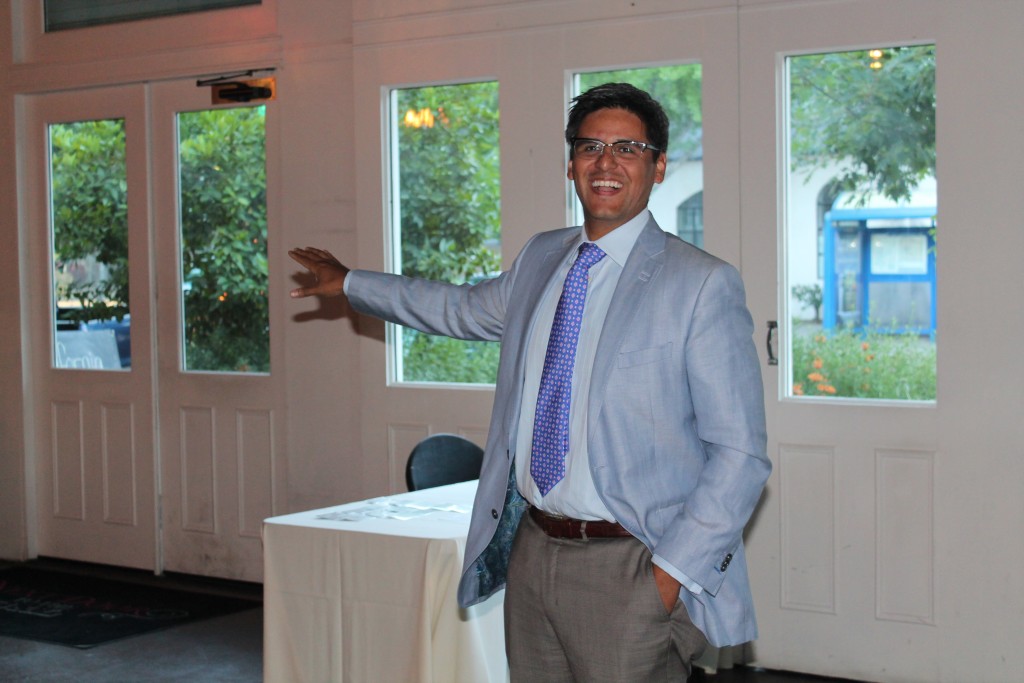
Assemblyman Henry Perea, D-Fresno, gestures while addressing CAA members, and his fellow lawmakers in the Moderate Democratic Caucus, during dinner Wednesday, June 17, at Mulvaney’s, on the eve of CAA’s June board meeting.
Sporting his Panama hat, Assemblyman Luis Alejo, D-Watsonville, joins in the applause during CAA’s dinner at Mulvaney’s.
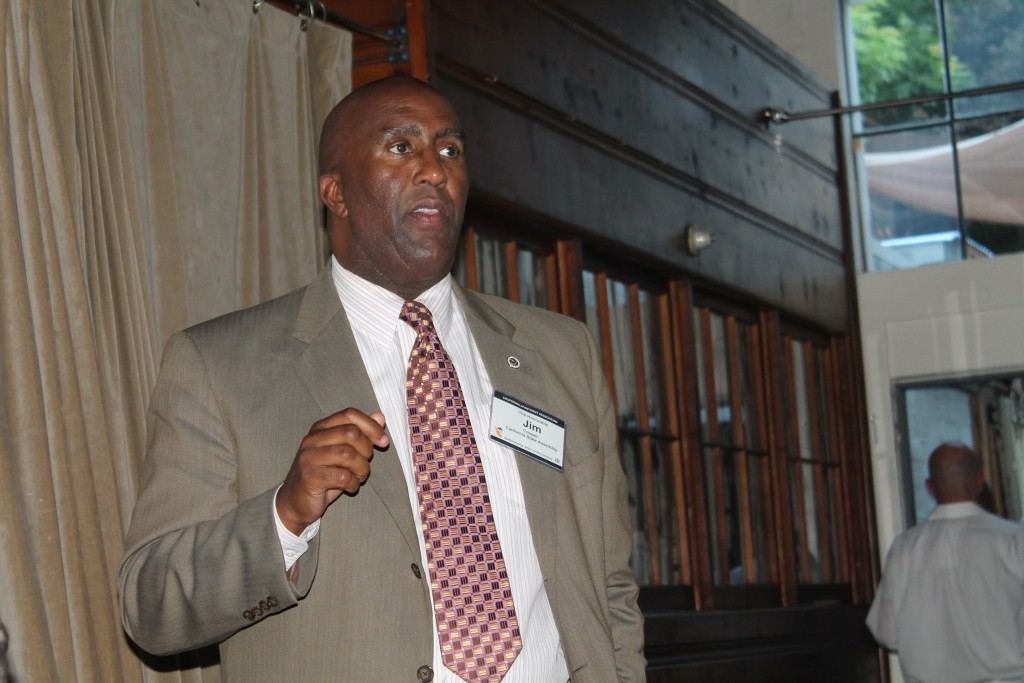
Assemblyman Jim Cooper, D-Elk Grove, says a few words during dinner.
Ron Granville, left, poses with Sen. Jerry Hill, D-San Mateo. Hill presented Granville with a Senate resolution recognizing his leadership as CAA’s board president in 2014.
Tom Bannon, chief executive officer at CAA, listens to a member of the Legislature’s Moderate Democratic caucus.
Join us for a free, Q&A-style webinar featuring an attorney from California’s fair housing enforcement agency, the Civil Rights Department. This focused conversation will address common questions and recurring points of confusion involving service and support animals in California rental housing. The discussion will include recent changes to federal guidance from the U.S. Department of…
California’s law governing security deposits in residential rental housing can be strict and disputes over security deposits are common. The law has been amended multiple times in the past several years, meaning that it’s more important than ever to make sure you are up to date on the latest requirements. This webinar will cover key…
From screening fees to utility charges and late fees, rental housing providers regularly make decisions about which fees to charge and in what amounts. However, there is no single statute that comprehensively governs residential rental housing fees. Instead, providers must navigate overlapping state laws, local rent control ordinances, and evolving federal enforcement trends — which…