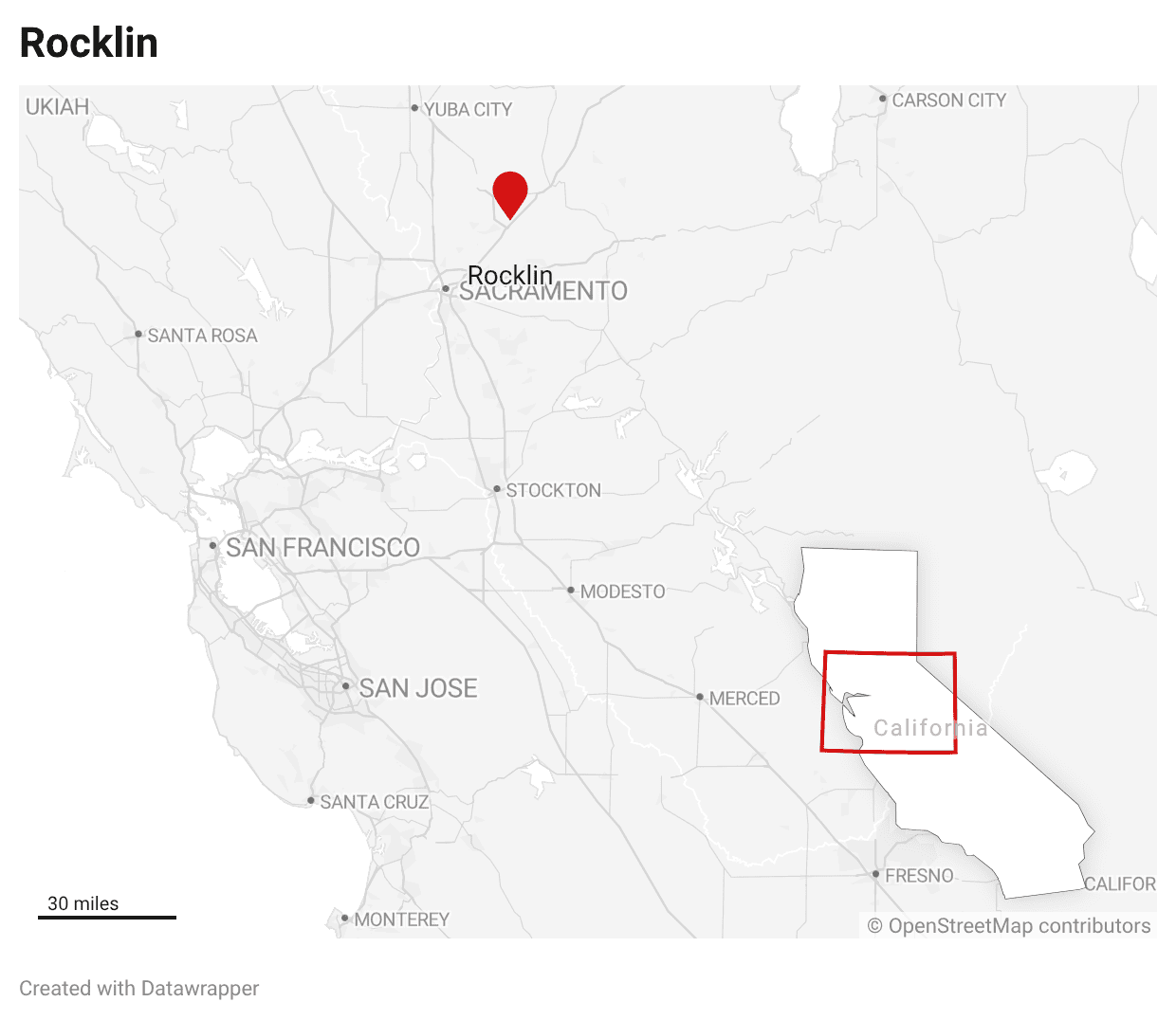

The Rocklin City Council this month postponed action on a proposal to temporarily raise in-lieu housing fees after the California Apartment Association raised concerns about the potential impact on multifamily housing and urged officials to wait for an economic feasibility analysis.
Rocklin, a city northeast of Sacramento, considered raising the fee to as much as $10 per square foot under its inclusionary housing ordinance during the City Council’s Jan. 13 meeting. The council took no action, instead framing the proposal as a potential temporary measure pending completion of an independent economic feasibility analysis, which is expected to be released later this year. Under the city’s proposed inclusionary housing ordinance, developers may choose to pay an in-lieu fee — once established by the City Council — rather than build the required affordable units, according to the staff report. City staff also indicated the fee could be temporary while a broader inclusionary housing study continues.
CAA submitted a letter urging the City Council to hold off on any increase in fees on multifamily housing until that analysis is completed. In the letter, CAA notes that the association represents nearly 4,000 rental units across 77 properties in Rocklin, in Placer County, cautioned council members that “any policy change that increases development costs risks further constraining the supply of multifamily housing,” particularly at a time when construction, financing, insurance, and labor costs remain at historic highs. The letter also pointed to a recent decision by the City of Sacramento to forgo a similar fee increase after a feasibility analysis found that a $10 per square foot in-lieu fee would render new multifamily housing projects infeasible.
After hearing concerns raised by CAA and others, City staff also noted that preliminary analysis suggested attached housing types, including apartments, could face feasibility challenges under the proposed fee. The City Council was unable to reach consensus on whether to move forward with a temporary fee increase and ultimately took no action. While not a final resolution, the decision reflects concerns raised during the discussion about the real-world feasibility impacts of increasing development fees.
CAA will remain engaged on the issue, which is expected to return later this year once the city’s economic analysis is completed. The association is advocating for policies that support housing production without imposing new costs that could make multifamily development economically unviable.