
The California Apartment Association is asking rental housing providers to contact their representative in the state Assembly and urge a no vote on legislation that could cap rent increases during emergency declarations tied to U.S. military action.
The bill is on the Assembly floor and can be taken up at any time, which leaves a narrow window to weigh in.
What the bill would do
SB 493 by Sen. Josh Becker, D-Menlo Park, would add war to the events for which the president or governor could declare an emergency under California’s price-gouging law, Penal Code Section 396. That law generally bars rental housing owners and other businesses from raising prices by more than 10% after a covered emergency declaration, sweeping in rents along with a long list of other goods and services.
The bill defines war broadly, and a declaration from Congress is not required. The definition covers a congressionally declared war, active U.S. military operations against a foreign state regardless of whether war has been formally declared, and U.S. assistance to armed action undertaken by the United Nations.
Why CAA opposes it
CAA organized a coalition of 25 business, housing, and trade organizations urging Assembly Members to reject the bill. In an Aug. 14 floor alert, the coalition argued that the broad definition of war would create compliance uncertainty and potential criminal liability for businesses facing legitimate cost increases.
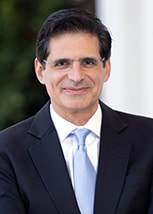
Becker has presented the measure as a way to protect California residents from price spikes caused by military conflicts that disrupt global oil markets. The bill’s language, however, is not limited to oil or gasoline.
CAA Executive Vice President of State Public Affairs Debra Carlton raised that concern when the bill appeared before the Assembly Public Safety Committee in June. She warned that the proposal could reach far more than oil prices and argued that the law should be clear about its scope.
If the Assembly approves the bill, it must return to the Senate for a concurrence vote before it can reach the governor.