California housing providers could see the state’s 10% emergency rent cap applied to long-term leases and triggered by wars fought overseas, under two bills pending when lawmakers return from recess Aug. 3. Both rewrite the same statute, and both are among the last priority bills the California Apartment Association is fighting this year.
Penal Code Section 396 caps rents and the price of most goods and services at 10% above pre-emergency levels once the governor or a local government declares an emergency. Violating it is a misdemeanor — which is why CAA and allied business groups argue that every expansion of the statute widens the odds an owner who prices a unit wrong ends up facing a criminal charge rather than a billing dispute.
Both bills sit in the Assembly Appropriations Committee, which has until Aug. 14 to move bills to the floor. Miss that date, and a bill is effectively finished for the year. Anything that survives faces an Aug. 31 deadline for final passage.
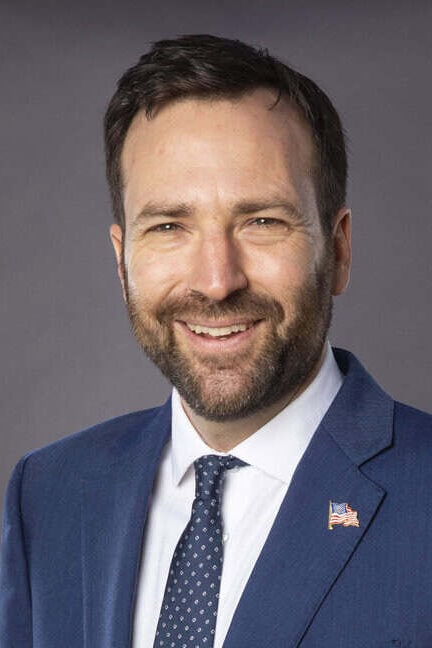
SB 1365, by Sen. Ben Allen, D-Santa Monica, would delete the current provision in state law that exempts leases longer than one year from the 10 percent rent cap.
The bill also hands city attorneys in cities above 900,000 residents the power to bring Cartwright Act antitrust claims — authority now limited to the attorney general and district attorneys. The sponsor is the Los Angeles City Attorney’s Office, which would gain that power. The measure cleared the Assembly Public Safety Committee 8-3 in June. The city attorney argues that she wants to use the Cartwright Act to stop developers from making offers to buy land and homes in areas devastated by the recent fires.
CAA, the California Association of Realtors, the California Business Properties Association, the California Taxpayers Association, and the Western Manufactured Housing Communities Association opposed the bill in a July 14 letter. The groups told Allen they support strong enforcement against bad actors who gouge during declared emergencies, but said the bill reaches well past that purpose, noting the change would stack on top of existing rent caps under AB 1482 and local rent control ordinances.
SB 493, by Sen. Josh Becker, D-Menlo Park, would add “war” to the list of disasters that can trigger the cap. As amended July 2, it defines war to include periods when Congress has declared war, when the United States is running active military operations against a foreign power with or without a declaration, and when the country is assisting United Nations forces.
The bill cleared Assembly Public Safety 5-2 on July 1.
CAA and 16 other business organizations opposed it in a July 14 letter, telling Becker that a military conflict overseas does not empty California shelves the way a fire or flood does. “The protections should be targeted at actual exploitation during an emergency, not converted into open-ended price controls triggered by international events that California has no influence over,” the coalition wrote.
Even if both bills clear the Assembly Appropriations Committee, they must pass the Assembly and Senate Floors. Bills that make it through go to the governor, who has until Sept. 30 to sign or veto them.