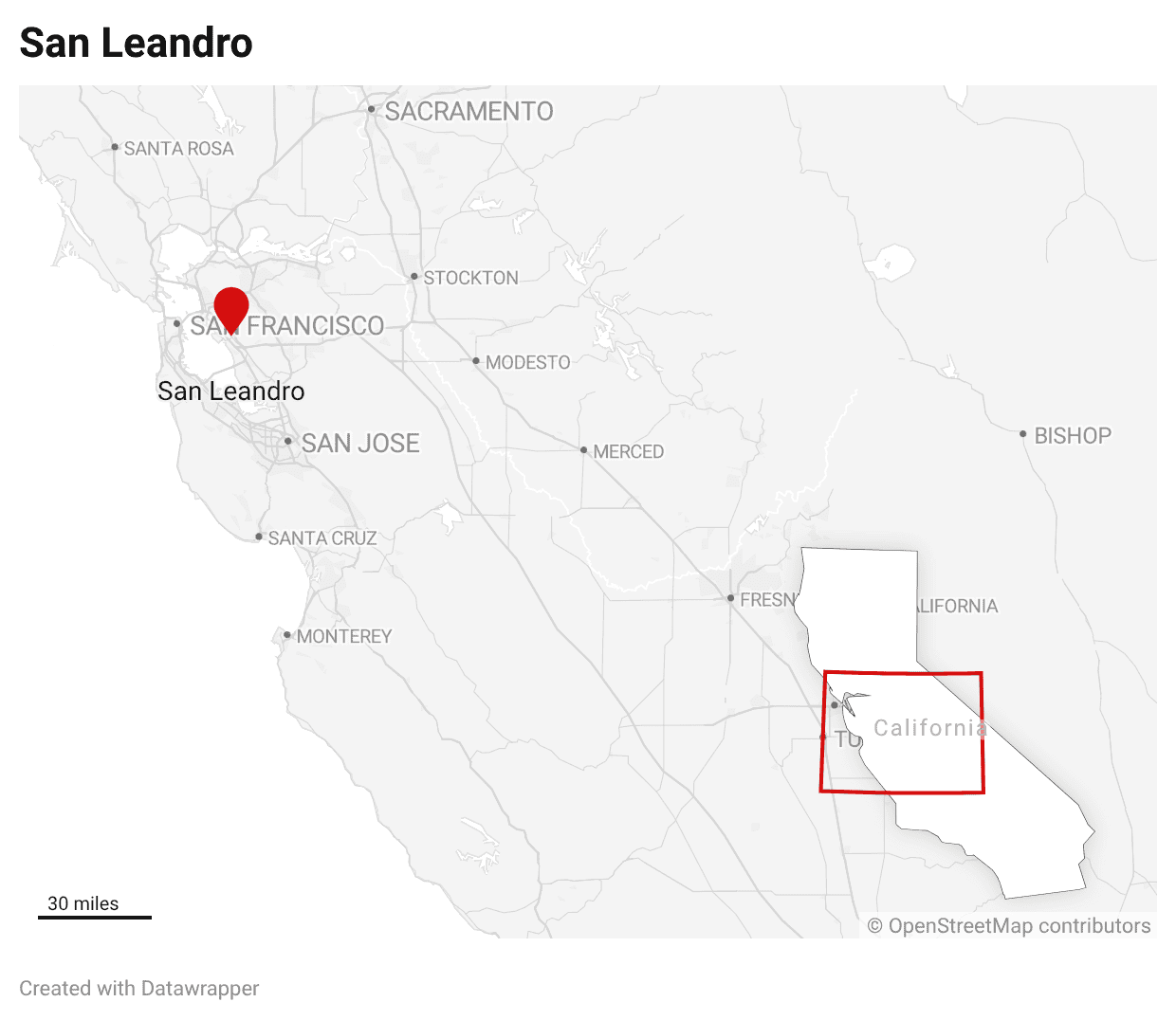
San Leandro landlords will face new limits on rent increases and additional compliance obligations after the City Council on Monday, Feb. 2, adopted a residential rent control ordinance affecting thousands of existing rental units in the city.
The council voted 5-1 during its second reading to approve the ordinance, which is expected to apply to about 7,700 rental units. Mayor Juan Gonzalez cast the sole “no” vote, citing the lack of data supporting the policy and warning that it would not increase housing supply or lower rents.
The California Apartment Association, local housing providers and business leaders had warned for months that the measure could discourage investment in existing rental housing and complicate property operations. However, the city council ignored the input from the city’s housing providers.
What the ordinance does
Beginning Jan. 1, 2027, rent increases for covered rental units will be capped at the lower of 3% or 65% of the Consumer Price Index for the San Francisco-Oakland-Hayward region, based on rents in effect on July 1, 2025.
State law known as the Costa-Hawkins Rental Housing Act ensures that several categories of housing are exempt from local rent control, including rental units with certificates of occupancy issued after Feb. 1, 1995, and single-family homes. The ordinance recognizes additional exemptions beyond those protected by state law, including accessory dwelling units; certain subsidized or income-restricted housing; owner-occupied situations, such as when an owner lives in one unit of a duplex; and units that are not a tenant’s primary residence.
In addition to limiting annual rent increases, the ordinance establishes new compliance requirements for landlords. These include mandatory registration of rental units as a condition for imposing any rent increase, restrictions on unbundling utilities or other charges already included in rent, limits on banking unused annual rent increases, and a rent adjustment-petition process that may involve hearings before a city-appointed hearing officer. The ordinance also authorizes the city to impose an annual program fee to cover the cost of administering the rent stabilization program.
The ordinance expands potential liability for violations, including civil penalties, attorneys’ fees in specified actions, and remedies that may be raised in eviction-related proceedings.
What’s next
Until the ordinance takes effect on Jan. 1, 2027, rental housing in San Leandro will remain subject to the provisions of AB 1482, the state’s Tenant Protection Act of 2019.
“This 5-1 vote underscores how local city council decisions directly affect rental housing operations,” said Jennifer Rizzo, CAA’s vice president of local public affairs. “The California Apartment Association will continue to advocate for a more balanced approach to addressing our housing challenges in cities across the state.”