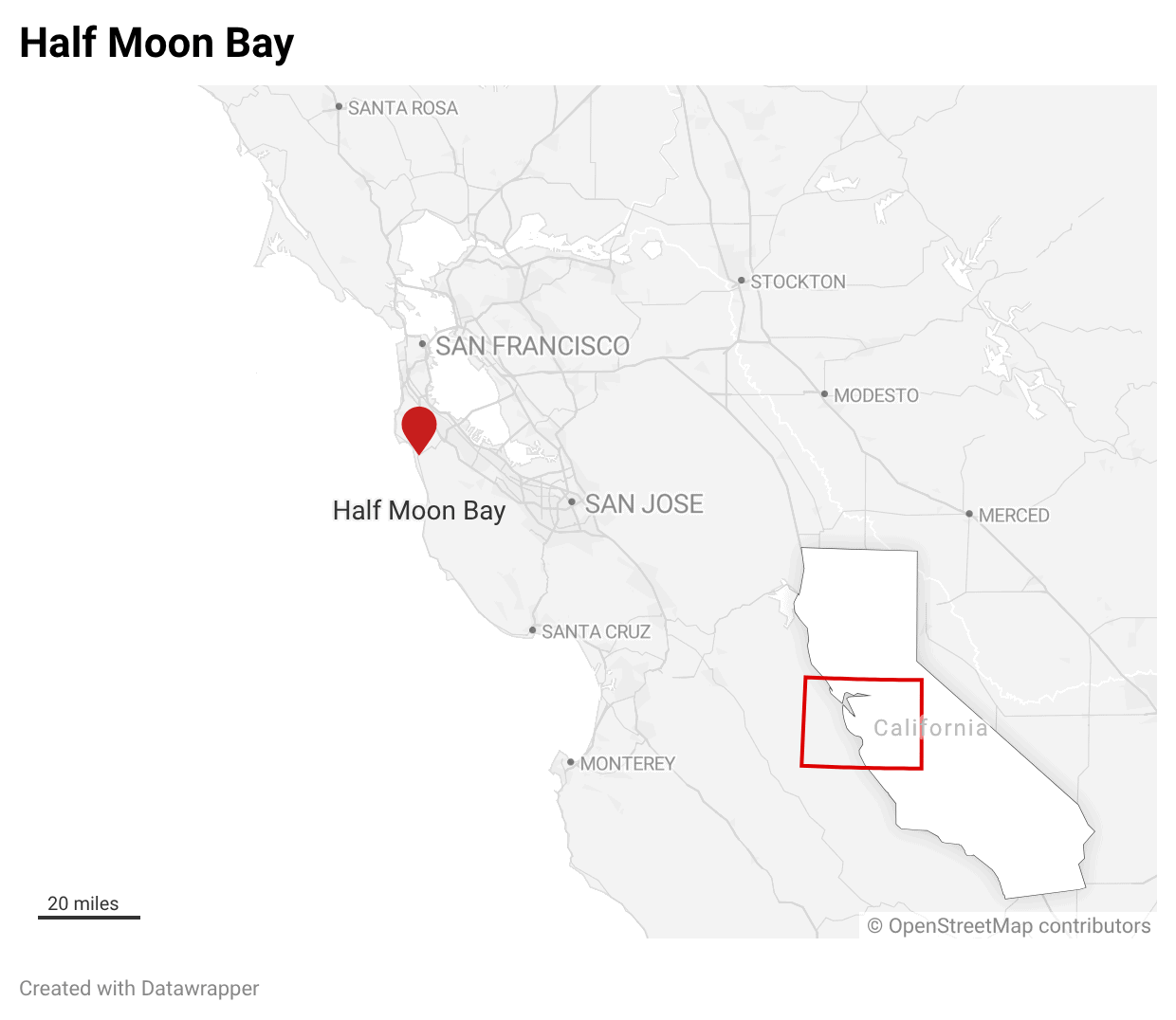
The Half Moon Bay City Council this month reviewed formal options that could eliminate the city’s rent control program, signaling a potential shift away from local rent regulation less than two years after the ordinance took effect.
At its Jan. 20 meeting, the council received an update from city staff on the Residential Rent Stabilization Program and the Residential Rental Registry Program, both adopted in 2024. Staff outlined three policy paths for council consideration, including repealing both programs, repealing rent control while retaining the rental registry, or continuing both programs.
According to the staff report, the rent control program applies to certain multiunit properties built before February 1995 and limits annual rent increases to the lesser of 3% or 80% of changes in the Consumer Price Index. For the 2025–26 rental year, the allowable increase is capped at 1.23%. Properties subject to rent control pay an annual fee of $286 per unit, in addition to a $75 per-unit rental registry fee.
City staff reported that approximately 1,586 rental units were registered at the end of the 2025 rental year, exceeding the city’s initial estimate of about 1,300 units. Since the program’s launch, nine properties have been removed from the registry after converting to non-rental uses.
The staff report also detailed the administrative costs associated with the programs. To date, the city has spent about $257,000 on implementation and administration, while collecting approximately $174,000 in program-related revenue, resulting in an overall cost recovery rate of about 68%.
Under the option to eliminate rent control, tenants would continue to be covered by state law protections under the Tenant Protection Act of 2019, as well as the city’s existing just cause eviction ordinance. Staff emphasized that any repeal or modification of the programs would require further City Council action, public outreach, and amendments to the municipal code.
The California Apartment Association supports efforts to repeal local rent control ordinances and reduce regulatory burdens that affect the long-term operation and maintenance of rental housing. City staff is expected to return to the City Council in the coming months with next steps based on council direction.